DIY carpet cleaning versus professional cleaning which option saves money
If your carpet looks tired, smells a bit stale, or has picked up the usual mix of muddy shoes, tea spills, and pet mess, you've probably asked the big question: DIY carpet cleaning versus professional cleaning which option saves money? The honest answer is that it depends on how often you clean, how dirty the carpet is, what equipment you already own, and whether you value your own time as part of the cost. In some homes, DIY is the cheaper route. In others, professional cleaning ends up saving money because it protects the carpet, avoids mistakes, and gets the job done properly the first time.
That's the short version. The longer version is more useful. Below, we'll break down the real costs, hidden costs, risks, and practical trade-offs so you can make a decision that makes sense for your home, not just your budget on paper.
- Why this money question matters
- How DIY and professional carpet cleaning work
- Key benefits and practical advantages
- Who each option is best for
- Step-by-step guidance
- Expert tips for better results
- Common mistakes to avoid
- Tools, resources and recommendations
- Law, compliance, standards and best practice
- Comparison table
- Real-world example
- Practical checklist
- Conclusion
- Frequently asked questions
Why DIY carpet cleaning versus professional cleaning which option saves money Matters
The money part is only one piece of the puzzle. A carpet is one of those household surfaces that quietly takes a beating every day. You walk on it, spill on it, vacuum it, ignore it for a while, then suddenly realise it has gone from "fine" to "not great" in about six months. That's normal. But the cleaning method you choose can affect not only the cost of the job, but how long the carpet lasts.
DIY cleaning often looks cheaper at first glance because you can rent a machine, buy solution, and do the work yourself. Professional cleaning, by contrast, looks like an upfront spend. Yet that simple comparison can be misleading. A cheap rental that leaves the carpet too wet, over-shampooed, or only half-cleaned can cost more later if it causes odours, re-soiling, or even fibre damage. On the other side, a professional visit may cost more today but reduce how often you need to replace carpet or repeat the cleaning.
To be fair, there's no universal winner. The savings depend on the size of the area, the type of carpet, how soiled it is, and whether you're dealing with one room, a whole house, or a move-out clean. If you live in London and need a quick turnaround before guests arrive or before handing keys back, speed and reliability can matter almost as much as price.
Bottom line: the cheapest option is not always the least expensive in the long run. That's the bit people miss.
How DIY carpet cleaning versus professional cleaning which option saves money Works
Both methods aim to remove dirt, spots, allergens, and trapped debris from carpet fibres. The difference is in the equipment, the cleaning power, the drying process, and the level of know-how required.
DIY carpet cleaning
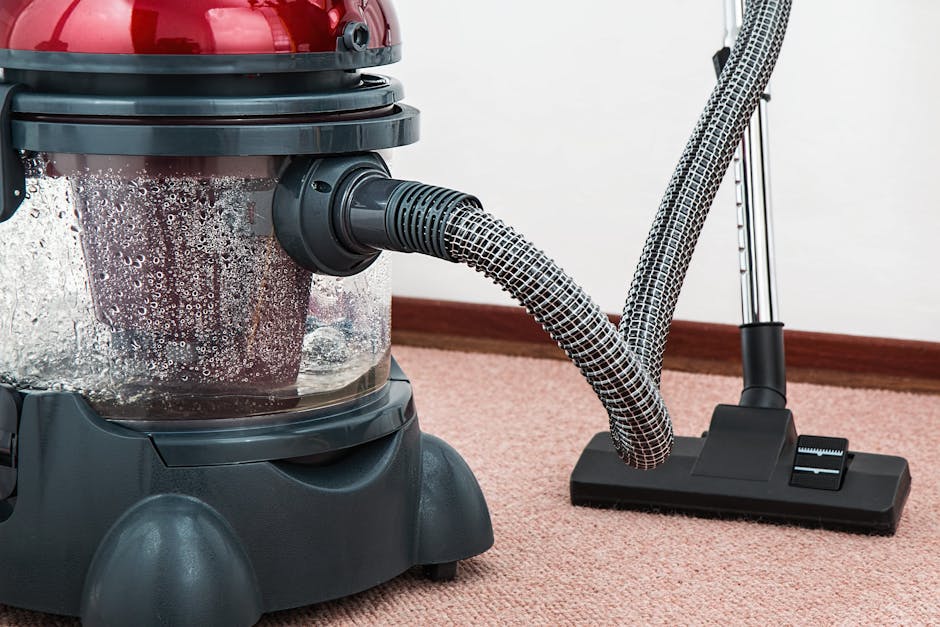
DIY cleaning usually means renting a carpet machine, hiring a machine for the day, or using a small domestic cleaner you already own. You'll typically vacuum first, pre-treat stains, apply cleaning solution, and then extract soil and moisture from the pile. Some people use a carpet shampoo method, while others prefer a steam-style extraction approach. In everyday speech, people often call both "steam cleaning," though not all machines actually use steam in the strict sense.
The main cost categories are simple enough:
- machine hire or purchase
- cleaning solution
- stain treatment
- your time
- extra drying support, if needed
That last one is easy to overlook. A carpet that stays damp too long can feel unpleasant, smell musty, and invite more dirt back in. A bargain clean can start looking less like a bargain by Tuesday morning.
Professional carpet cleaning
Professional cleaning usually means a trained cleaner brings commercial-grade equipment and suitable products, assesses the carpet material, and uses a method matched to the fibre, staining, and soil level. A good cleaner won't just blast the carpet and hope for the best. They'll adjust technique, agitation, temperature, and solution strength based on the job.
The cost is usually higher upfront, but the value often comes from efficiency, stronger extraction, better stain handling, and reduced risk of mistakes. Professionals may also spot problems early, such as wear patterns, backing damage, or a stain that needs delicate treatment rather than aggressive scrubbing.
If you're looking at broader home care rather than just carpet-only cleaning, services like deep cleaning or carpet cleaning can sit naturally alongside the rest of the house routine. Sometimes the money-saving move is not doing one room perfectly, but sorting the whole space in one coordinated plan.
Key Benefits and Practical Advantages
Let's talk about what each option actually gives you, beyond the headline price.
DIY benefits
- Lower upfront spend if you only need a light refresh.
- Flexible timing because you can clean whenever it suits you.
- Good for maintenance between deeper cleans.
- Useful for small spaces such as a single bedroom or a study.
Professional benefits
- Better results on stubborn soil and high-traffic areas.
- Less risk of damage to fibres, seams, or underlay.
- Faster drying with stronger extraction equipment.
- More suitable for delicate carpets, older carpets, or expensive materials.
Here's the practical bit: if your carpet is lightly dusty and you're confident with a machine, DIY can be perfectly sensible. But if you're dealing with sticky spills, pet accidents, or a carpet that's been neglected for a while, professional cleaning often provides better value because you're buying experience as much as labour.
A lot of households in a busy place like London want a result that looks fresh without turning the living room into a damp obstacle course for half the day. Fair enough.
Who This Is For and When It Makes Sense
This decision is not the same for everyone. In our experience, the best choice depends on the kind of household you live in and how the carpet is used.
DIY makes more sense if:
- you have one or two small rooms to freshen up
- the carpet is lightly soiled rather than deeply stained
- you already own a decent cleaner or can rent one cheaply
- you have time to vacuum, pre-treat, clean, and dry properly
- you are comfortable following instructions carefully
Professional cleaning makes more sense if:
- the carpet is very dirty or has multiple stains
- you need a better chance of removing odours
- the carpet is wool, blend, or otherwise more delicate
- you're preparing for a tenancy check-out or sale
- you don't want to risk over-wetting or patchy results
A quick example: if you've had children running in from a wet garden all winter, a DIY machine may keep up with surface dirt. But if the hallway carpet has months of ground-in grit and dark traffic lanes, a professional clean is often the smarter spend. The carpet is telling you what it needs, basically.
Step-by-Step Guidance
If you want to compare costs fairly, don't just compare a rental machine to a single quote. Compare the full process. That includes prep, cleaning, and drying time. Here's a sensible way to decide.
1. Inspect the carpet honestly
Look for visible stains, flattening, odours, high-traffic areas, and any loose seams or worn patches. If the carpet already has damage, overly aggressive cleaning can make it worse. That's where professional judgement matters.
2. Work out the true DIY cost
Include everything:
- machine rental or purchase
- detergent, spot cleaner, or shampoo
- stain remover
- extra brushes or accessories
- your time
- possible repeat cleaning if the first attempt disappoints
3. Get a professional quote for comparison
Ask what is included. Does the quote cover pre-treatment, stain attention, moving light furniture, or drying advice? Transparent pricing matters. If you're comparing a few options, a page such as pricing and quotes can help you understand the service structure before you commit.
4. Factor in the value of your own time
This is the part people conveniently forget. If your Saturday disappears into vacuuming, setup, cleaning, and waiting for carpets to dry, was it still the cheaper option? Sometimes yes. Sometimes not remotely.
5. Decide based on risk, not only price
Money matters, of course. But so does the risk of leaving residue behind, making the carpet damp for too long, or pushing a stain deeper. A slightly higher spend may save you from replacing or re-cleaning sections later.
6. Clean in the right order
Vacuum thoroughly first. Treat stains before the main clean. Work slowly and evenly. Open windows if conditions allow, and avoid walking across the carpet until it is fully dry. A rushed clean rarely ends well.
Expert Tips for Better Results
Here are the tips that make the biggest difference, and they're usually the ones people skip when they're in a hurry.
- Vacuum twice if needed. Dry soil removal is cheaper than trying to extract it later.
- Test any product first. Hidden corner, small patch, then proceed. Simple but worth doing.
- Use less liquid than you think. More solution does not mean a better result. Quite the opposite, often.
- Give stains a proper pre-treatment window. A few minutes can save a second pass.
- Work in manageable sections. Rushing across a whole room leads to patchiness.
- Ventilate well. A room with moving air dries faster and smells fresher.
- Protect the carpet after cleaning. Take shoes off indoors, and add mats in busy entry points.
If you're using a rental or hire machine, check whether it is really suitable for your carpet type. A robust machine is great on tough synthetic carpet, but wool or older fibres may need a gentler touch. That little detail can save a lot of hassle.
And yes, a pristine carpet looks brilliant. The smell of a freshly cleaned room on a bright morning is oddly satisfying. Slightly smug, even.
Common Mistakes to Avoid
This is where DIY savings can quietly disappear. Most poor results come from a handful of very fixable mistakes.
Using too much detergent
Excess detergent leaves residue that attracts dirt again. That means the carpet looks grubby sooner, and you end up cleaning again too soon. Not ideal.
Skipping vacuuming
If dry soil stays in the fibres, cleaning liquid turns it into mud. That's a much harder job than it sounds.
Over-wetting the carpet
A damp carpet is normal. A soaked carpet is a problem. Too much water can lead to longer drying, odours, and backing issues.
Ignoring stain chemistry
Different stains behave differently. Grease, tea, wine, mud, and pet mess do not respond the same way. Treating everything with one generic product can waste time and money.
Cleaning in a rush
People sometimes want the job finished in one hurried pass. That's how you get stripes, missed patches, and a room that still smells faintly of cleaner two days later.
Assuming all carpet fibres are the same
Synthetic carpets are often more forgiving than natural fibres. If you're not sure what you have, check before you start. A cautious approach is usually cheaper than a repair.
Tools, Resources and Recommendations
You do not need a van full of gear to clean a carpet well, but using the right tools makes a noticeable difference.
Useful DIY tools
- a good vacuum cleaner
- a carpet cleaning machine or rental unit
- spot treatment for stains
- a soft brush for targeted agitation
- microfibre cloths for blotting spills
- fans or open windows for drying support
Useful professional-service considerations
- ask what cleaning method is used
- confirm whether furniture moving is included
- ask about drying times
- check if the cleaner has experience with your carpet type
- confirm how stain problems are assessed before work begins
If you're comparing broader home-cleaning support, services such as one-off cleaning, home cleaning, or domestic cleaning can be helpful when the carpet clean is part of a larger reset. That can be a practical way to save money if you want the whole property to feel refreshed in one go.
For households with rugs, it is often smart to treat them separately. A dedicated rug cleaning approach can be more appropriate than using the same method for wall-to-wall carpet. Different materials, different handling. Very ordinary, but important.
Law, Compliance, Standards, or Best Practice
For most homeowners, carpet cleaning is not a heavily regulated activity in the legal sense. Still, there are sensible standards and best practices worth respecting, especially if someone is working in your home or if you are cleaning near children, pets, or people with sensitivities.
Professionals should use products safely, follow manufacturer instructions, and take reasonable care with electrical equipment and wet floors. In practice, that means clear setup, safe cable handling, good ventilation, and proper drying advice. Reputable providers should also be mindful of insurance and safety expectations. If that matters to you, it's reasonable to ask about insurance and safety before booking.
UK homes also vary a lot in age and carpet type. Older properties, rental homes, and high-traffic family spaces may need more cautious cleaning. If you are in a managed tenancy, it's worth checking the condition requirements before you start. For end-of-tenancy situations in particular, a professional clean can be a cost-saving move if it helps avoid disputes, re-cleans, or delays. Sometimes peace of mind is part of the financial calculation, even if nobody puts that on a spreadsheet.
Good practice also includes clear pricing, honest expectations about stain removal, and sensible care around moisture. If a provider promises miracle results on every stain, that is usually a yellow flag. Not every mark is removable, and a trustworthy cleaner will say so.
Options, Methods, or Comparison Table
Here's the practical comparison many readers want right away. It keeps things simple without pretending every house is the same.
| Factor | DIY carpet cleaning | Professional carpet cleaning |
|---|---|---|
| Upfront cost | Usually lower if you already have equipment or only rent for a day | Usually higher upfront |
| Time required | More of your own time, including prep and drying | Less of your time on the day, though you still need to allow for drying |
| Cleaning strength | Good for light to moderate dirt, depending on the machine | Better for heavy soil, traffic lanes, and stubborn staining |
| Risk of mistakes | Higher if you over-wet, use too much detergent, or use the wrong method | Lower when the cleaner is experienced and uses the right process |
| Drying time | Can be longer if the machine has weaker extraction | Often faster because of stronger equipment |
| Best for | Routine maintenance, small jobs, budget-sensitive refreshes | Deep cleaning, delicate carpets, major stains, or move-out jobs |
| Long-term value | Good if done correctly and not overused | Often better if it prevents damage and keeps the carpet in good condition |
Quick read: DIY usually wins on headline price. Professional cleaning often wins on total value when the carpet needs real work or when the consequences of a bad clean are expensive.
Case Study or Real-World Example
Here's a straightforward example from an ordinary household scenario. A family in a London flat has three bedrooms, a hallway, and a living room carpet. The carpets are not ruined, but there are footpath marks, a few food stains, and a lingering smell from a winter of wet shoes and not-quite-dry coats near the radiator. Nothing dramatic. Just life.
They first consider DIY because it looks cheaper. The machine rental, cleaner, and spot treatment seem manageable, and the idea of doing it on a Saturday feels doable. But once they add up the time to move furniture, treat stains, clean each room, and let everything dry, the savings start to look less impressive. The carpet also needs a thorough result because they are hosting family soon.
In that situation, a professional clean may cost more on paper, but it can save money by reducing the risk of needing a second clean, extending carpet life, and avoiding a rushed outcome. If the same household were only freshening one spare room after redecorating, DIY would probably make more sense. Same family. Different job. Different answer.
That's the real lesson here: the better option is the one matched to the condition of the carpet, not the one that just looks cheapest for ten minutes.
Practical Checklist
Use this before you decide. It keeps the choice grounded.
- Inspect the carpet for stains, wear, and odours
- Check the fibre type if you know it
- Compare full DIY costs, not just machine hire
- Ask what a professional quote includes
- Consider how long the carpet can stay out of use
- Think about whether furniture moving is needed
- Decide how much risk you are comfortable taking
- Allow extra drying time if doing it yourself
- Choose a method suited to the stain type
- Read product instructions properly before starting
- Keep pets and children away from damp carpet
- Plan your next clean so dirt does not build up again
If the checklist is mostly pointing toward risk, that's probably your answer right there.
Conclusion
So, which option saves money: DIY carpet cleaning or professional cleaning? For light upkeep and small areas, DIY can absolutely save money. For deeper dirt, stubborn stains, delicate fibres, or time-sensitive jobs, professional cleaning often delivers better value and may be the cheaper option in the long run.
The real decision is not just about the invoice. It's about the full picture: equipment, your time, drying, risk, and how much life is left in the carpet. If you choose well, you avoid overpaying either way. And that's the sweet spot, really.
For many homes, the best approach is a mix: regular vacuuming, sensible spot treatment, occasional DIY freshening, and professional cleaning when the carpet needs proper attention. Simple, practical, no drama.
Get a free quote today and see how much you can save.
Sometimes the smartest saving is choosing the option that leaves you with a cleaner carpet and one less job to think about tonight.
Frequently Asked Questions
Is DIY carpet cleaning always cheaper than professional cleaning?
No. DIY often has a lower upfront cost, but once you include machine hire, cleaning products, your time, and the chance of needing a second attempt, the gap can narrow. For heavily soiled carpets, professional cleaning can be better value overall.
What is the biggest hidden cost of DIY carpet cleaning?
The biggest hidden cost is usually time, followed by mistakes such as over-wetting or using too much detergent. If a carpet takes too long to dry or ends up looking patchy, the "cheap" clean may no longer be cheap.
Does professional carpet cleaning really last longer?
It can, especially when the carpet is properly assessed and cleaned with the right method. Better extraction and stain handling often mean the carpet stays fresher for longer, which can delay the next clean.
Is rental carpet cleaning equipment good enough?
Rental machines can work well for many homes, especially for light to moderate soil. But results vary by machine quality, user technique, and carpet type. A strong machine in inexperienced hands can still leave poor results.
How often should carpets be professionally cleaned?
It depends on foot traffic, pets, children, and the type of carpet. Busy households usually need more frequent attention than a spare room. The right interval is less about a fixed rule and more about how quickly the carpet starts to hold dirt or odour.
Can DIY cleaning damage my carpet?
Yes, if you use the wrong product, over-wet the carpet, scrub too hard, or ignore fibre type. Delicate carpets and older carpets are more vulnerable, which is one reason professionals are often worth considering.
Which method is better for pet stains and odours?
Professional cleaning is often better for repeated pet issues because it can address deeper contamination and odour more effectively. DIY can help with fresh accidents, but recurring smells usually need a more thorough approach.
What should I ask a professional carpet cleaner before booking?
Ask what cleaning method they use, what is included in the price, how long drying usually takes, and whether they have experience with your carpet type. Clear answers are a good sign.
Is shampooing or steam cleaning better for saving money?
Neither is automatically cheaper in the long run. The better method depends on the soil level, fibre type, and how much residue or drying time you want to avoid. What matters most is choosing the right method for the job.
Will professional cleaning remove every stain?
No honest cleaner will promise that. Some stains are permanent or have damaged the fibres. A good professional should explain likely results clearly rather than oversell the outcome.
Does carpet cleaning help with allergens?
It can help reduce dust, dirt, and trapped particles, which may improve the feel of the room. If allergies are a concern, regular vacuuming and sensible cleaning matter more than one-off deep cleans alone.
What's the smartest choice before moving out of a property?
If the carpet is visibly dirty, marked, or odorous, professional cleaning is often the safer choice because the result is more consistent and there is less chance of problems during inspection. If the carpet is already in good condition, a careful DIY refresh may be enough.